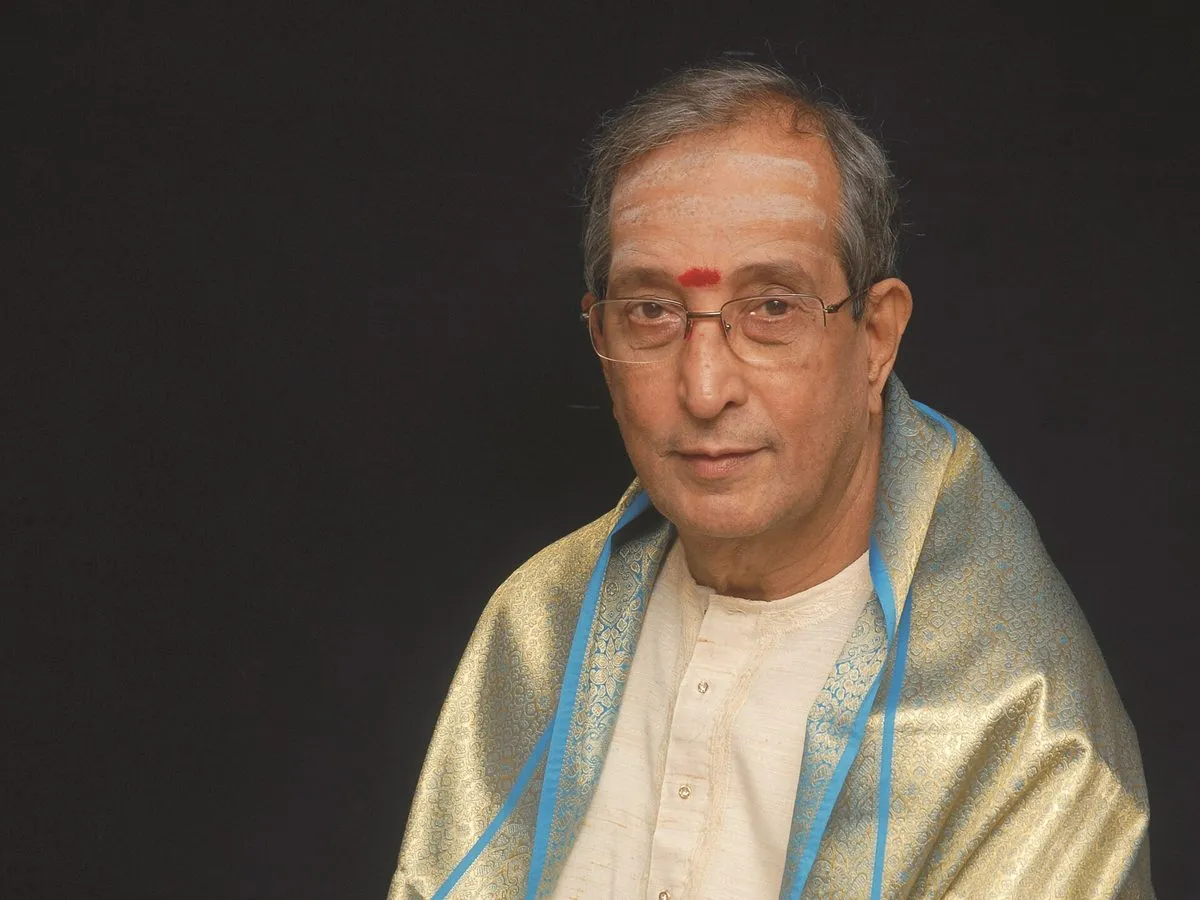
Ibrahim Nabisaheb Sutar
Karnataka speaker known as the Kabir of Kannada, who used saint-poets' works to promote harmony between faiths. Padma Shri, 2018. He died in 2022.
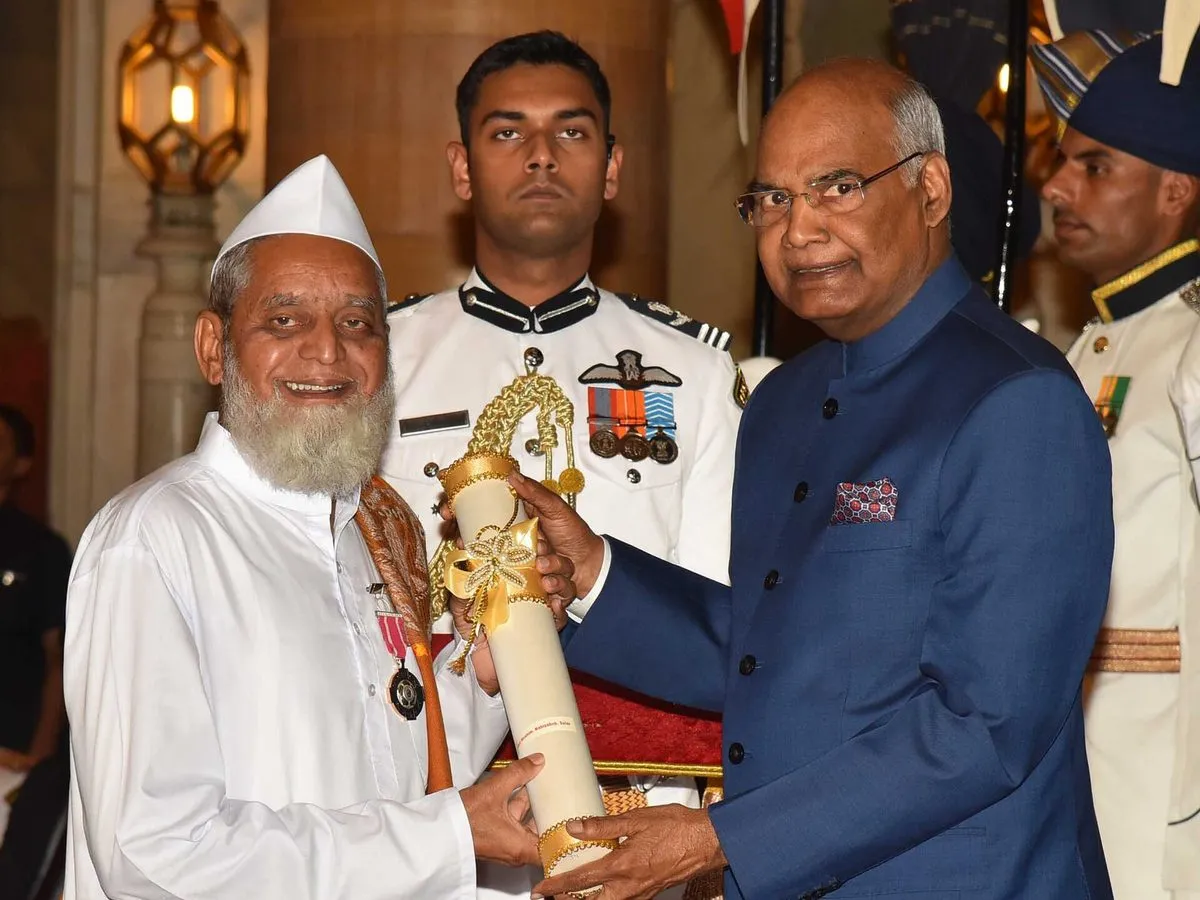
Ibrahim Nabisaheb Sutar was a speaker and singer, often called the “Kabir of Kannada”, who spent five decades using the works of saint-poets to promote harmony between Hindus and Muslims. He was named for the Padma Shri in 2018 in the field of art, from Karnataka [1]. He died of a heart attack in Bagalkot district on 5 February 2022, and was given a state funeral [3].
Early life
He was born on 10 May 1940 in Mahalingpur, Bagalkot district, to Nabisab and Ameenabi [2]. A weaver by trade, he grew up poor and studied in Urdu only to the third standard [2]. In 1960 he and childhood friends formed an association for Ramzan awareness [2].
Talks and songs
He named his home “Bhavaikya”, meaning harmony, and founded the Bhavaikya Janapada Sangeeta Mela, an association of folk performers for national integration [2]. He gave hundreds of talks a year, travelling across the state each Shravana month, and with six companions developed forms of spiritual dialogue and panel discussion [2]. His song “Navella Bharateeyaremba Bhava Moodali” became a popular prayer for unity, and he wrote books including Paramartha Lahari [2]. He spoke and sang during the Basava Shanti Jyoti padayatra between 1986 and 1996 [2].
Service
In the villages he visited he took up local works: a 9 km road between Shegunsi and Terdal in 1988, a primary school at Dhavaleshwar in 2004, a marriage hall at Sonna in 2010 and a pilgrims’ rest house at Aralimatti in 2012 [2]. He also campaigned against the devadasi practice and against liquor [2].
He received Karnataka’s Rajyotsava award in 1995 [2].
Sources
- [1] Padma Awards 2018: list of awardees — Ministry of Home Affairs, Government of India. Accessed 16 November 2026.
- [2] Padma Awards 2018: citation for Ibrahim Nabisaheb Sutar — Padma Awards, Government of India. Accessed 16 November 2026.
- [3] Religious orator Ibrahim Sutar dead — The Hans India. Accessed 16 November 2026.
Last updated . First draft prepared with AI assistance; reviewed and fact-checked by a person before publishing. Report a correction