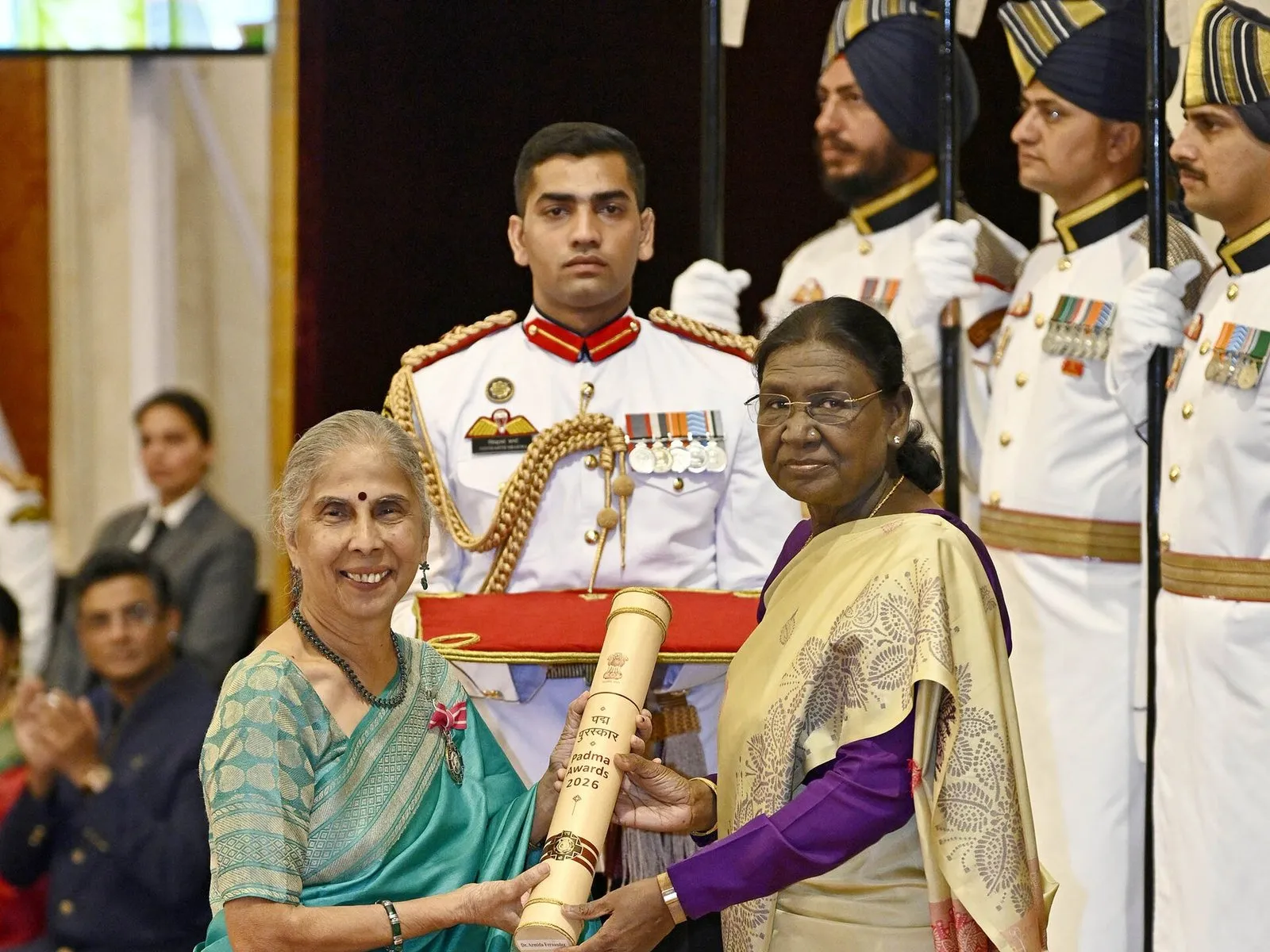
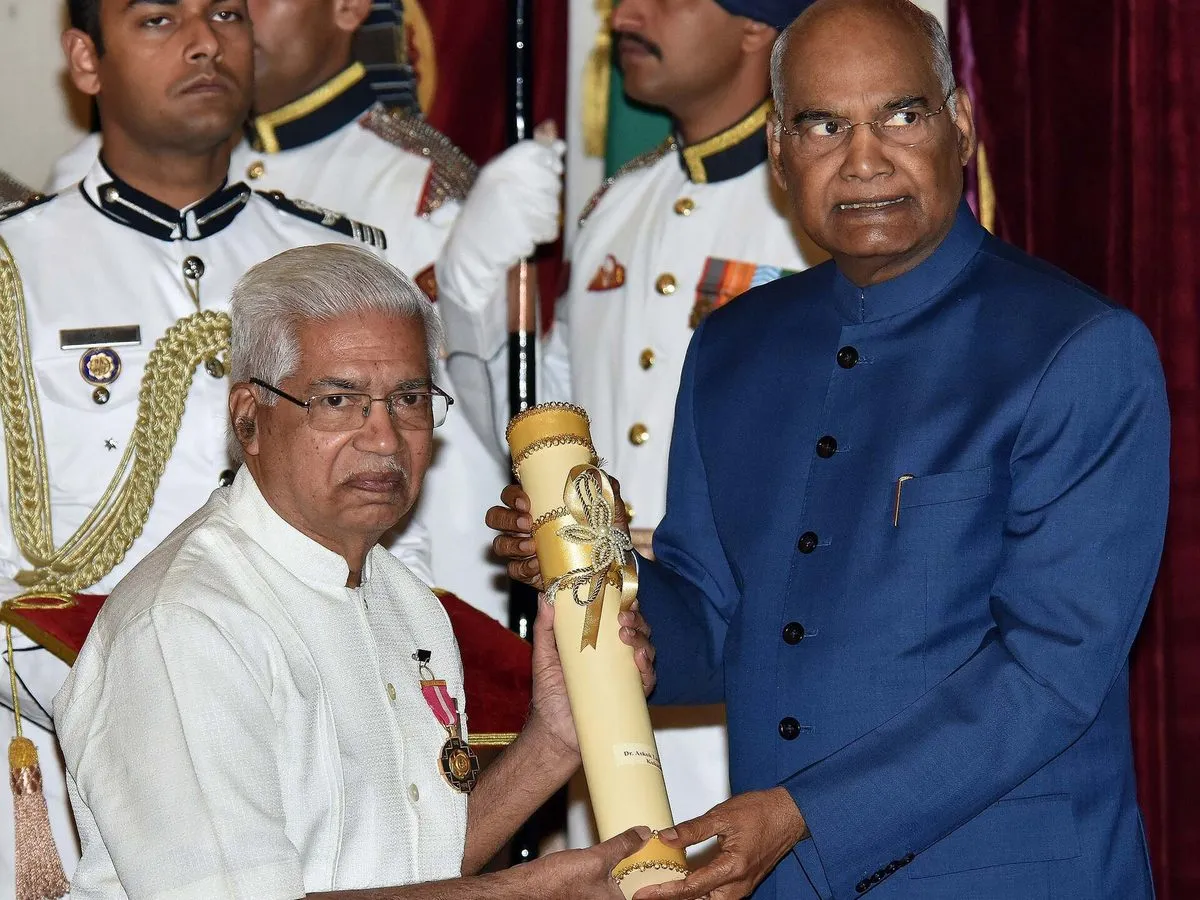
Rani Bang and Abhay Bang
Doctor couple who founded SEARCH in Gadchiroli and pioneered village-based women's health and newborn care. Padma Shri, 2018.
Rani Bang and Abhay Bang are doctors and public health researchers who have worked for more than three decades among tribal and rural people in Gadchiroli district. They were jointly named for the Padma Shri in 2018 in the field of medicine, from Maharashtra [1].
SEARCH
Rani Bang was born on 17 September 1951 and Abhay Bang on 23 September 1950; he grew up in Gandhi’s Sevagram Ashram [2]. Both studied medicine in India, winning gold medals, and public health at Johns Hopkins in the US [2]. In the mid-1980s they founded SEARCH (Society for Education, Action and Research in Community Health) in Gadchiroli, and built the health and research centre “Shodhagram” there [2]. Their approach is to do “research with the people” [2].
Rani Bang
A gynaecologist, she led the first study, published in The Lancet, to show that rural women in India carried a large hidden burden of gynaecological disease [2]. She trained village midwives (dais) to care for women, and argued for comprehensive reproductive health care for rural women [2]. She has run sex-education workshops for young people across Maharashtra since 1990 and written books on women’s lives, including Putting Women First [2].
Abhay Bang
He showed how childhood pneumonia could be managed in villages and designed “home-based newborn care”, in which trained village workers look after newborns [2]. The approach became national policy in India, delivered by about 8 lakh ASHA workers, and has been copied in other countries [2]. His research on nutrition-based minimum wages for farm labourers changed state policy [2].
The couple also led a campaign against alcohol that resulted in prohibition in Gadchiroli district [2].
Sources
- [1] Padma Awards 2018: list of awardees — Ministry of Home Affairs, Government of India. Accessed 16 November 2026.
- [2] Padma Awards 2018: citation for Rani Bang and Abhay Bang — Padma Awards, Government of India. Accessed 16 November 2026.
Last updated . First draft prepared with AI assistance; reviewed and fact-checked by a person before publishing. Report a correction