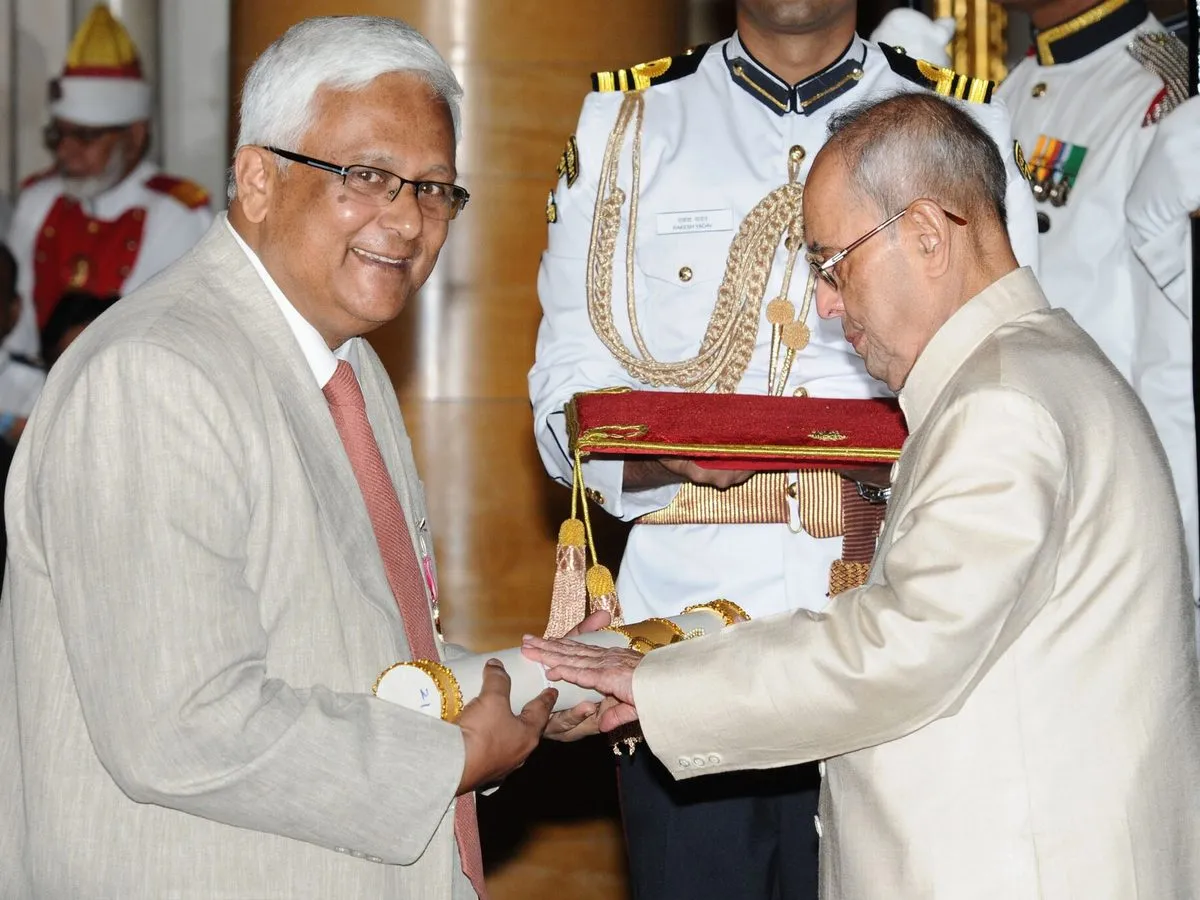
U. R. Rao
Space scientist who led the building of India's first satellite, Aryabhata, and chaired ISRO from 1984 to 1994. Padma Vibhushan, 2017. He died in 2017.
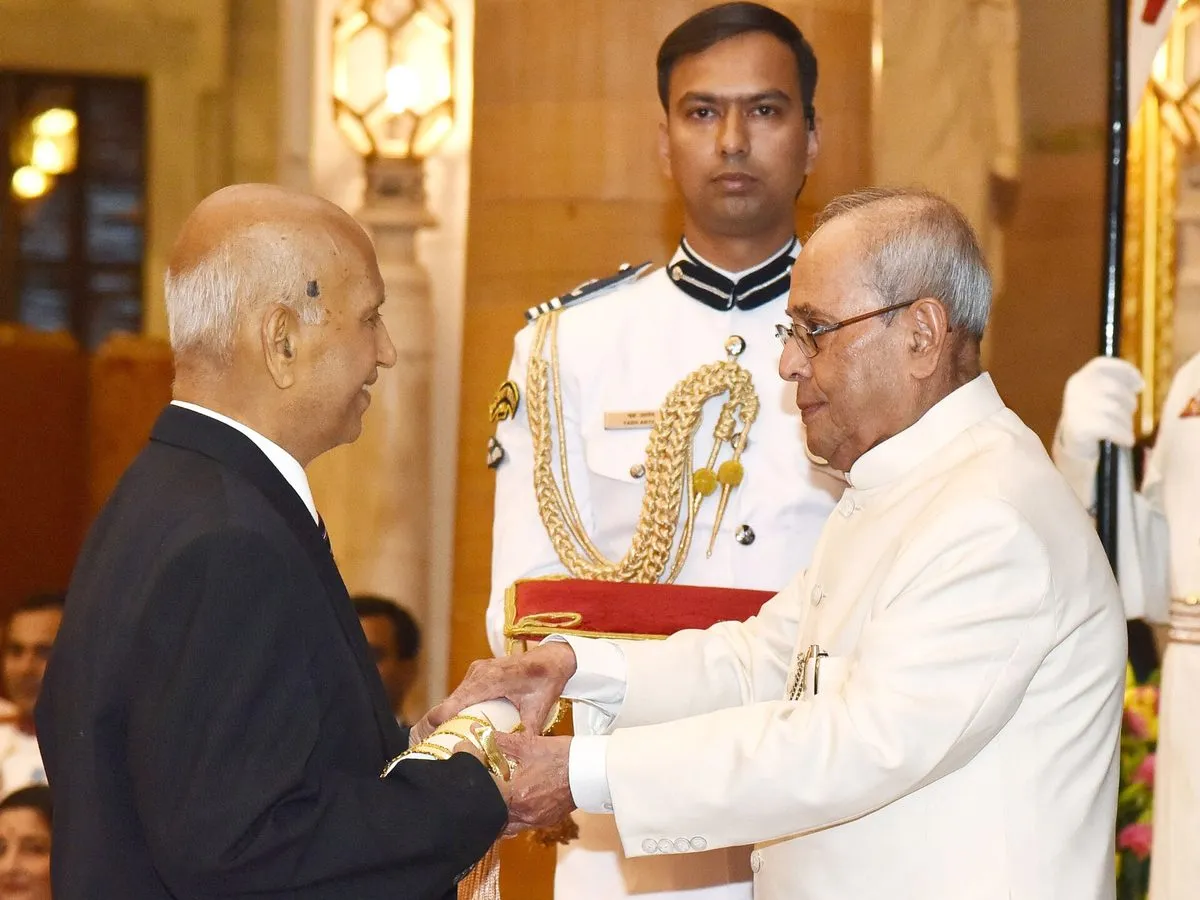
Udupi Ramachandra Rao, known as U. R. Rao, was a space scientist who led the building of India’s first satellite and later headed the Indian Space Research Organisation (ISRO). He was named for the Padma Vibhushan in 2017 in the field of science and engineering, from Karnataka [1]. He died in Bengaluru on 24 July 2017, aged 85 [3].
Scientist
He was born on 10 March 1932 [2]. He took his MSc from Banaras Hindu University in 1953 and his PhD from Gujarat University in 1960, working under Vikram Sarabhai at the Physical Research Laboratory (PRL) in Ahmedabad [2]. At MIT from 1960 to 1962 he studied the solar wind using data from the Mariner spacecraft, and at the University of Texas at Dallas he was a lead experimenter on the Pioneer 6 to 9 deep-space probes [2]. He returned to PRL in 1966 to work on X-ray astronomy and cosmic rays [2].
Satellites
In 1972 he took charge of developing satellite technology in India, which led to the launch of Aryabhata in 1975 [2]. He went on to lead the design and launch of more than 20 satellites, including the INSAT communication satellites and the IRS remote-sensing satellites [2].
He was chairman of ISRO and secretary of the Department of Space from 1984 to 1994, a period that saw the development of the ASLV and PSLV rockets [2]. In 1992 he set up Antrix Corporation, ISRO’s commercial arm [2]. After retiring he chaired PRL and was chancellor of the Indian Institute of Space Science and Technology [2].
He published more than 300 papers and had received the Padma Bhushan in 1976 [2][3].
Sources
- [1] Padma Awards Directory (1954-2017) — Ministry of Home Affairs, Government of India. Accessed 18 November 2026.
- [2] Padma Awards 2017: citation for U. R. Rao — Padma Awards, Government of India. Accessed 20 November 2026.
- [3] India loses shining star: Condolences pour over eminent scientist UR Rao's demise — The News Minute. Accessed 20 November 2026.
Last updated . First draft prepared with AI assistance; reviewed and fact-checked by a person before publishing. Report a correction