V. K. Aatre
Defence scientist who headed DRDO from 1999 to 2004, made India self-reliant in naval sonars, and is called the father of MEMS in India. Padma Vibhushan, 2016.
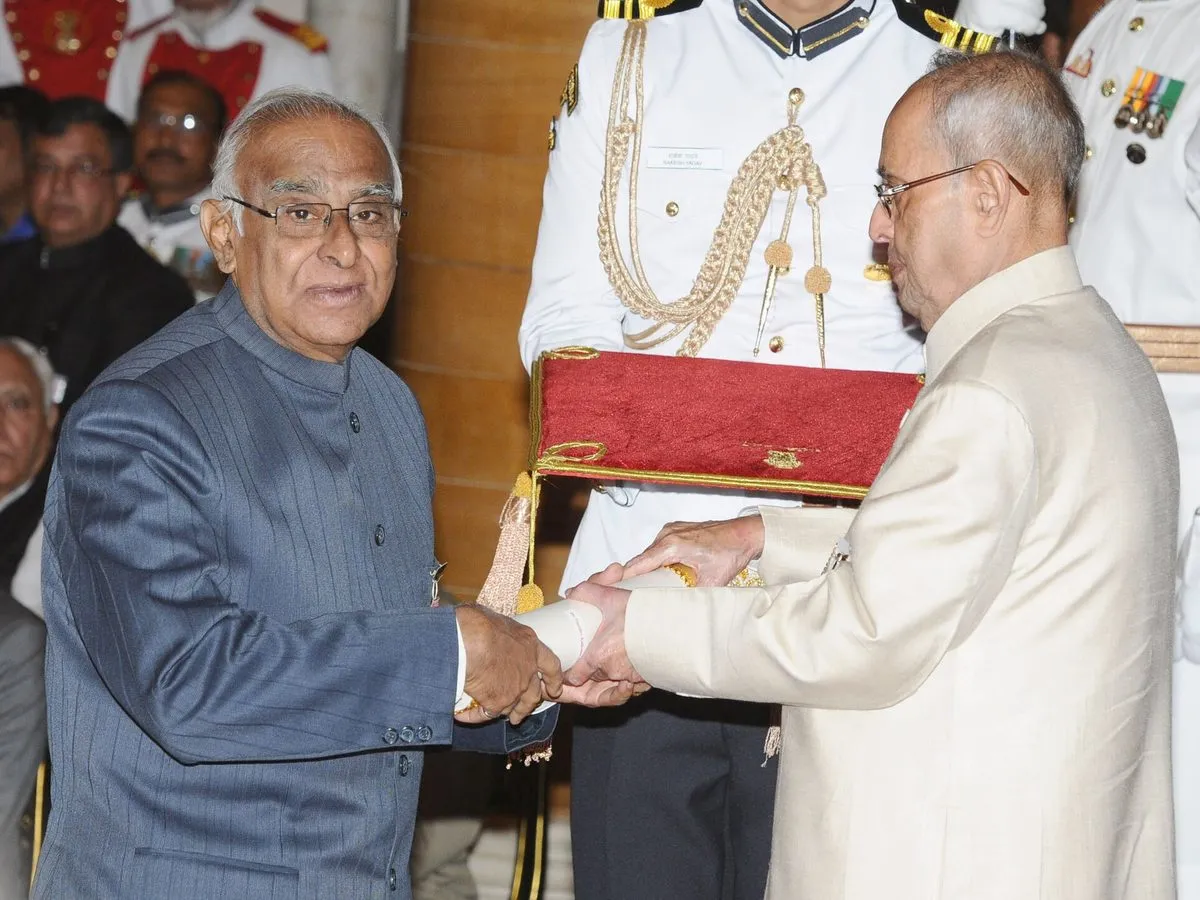
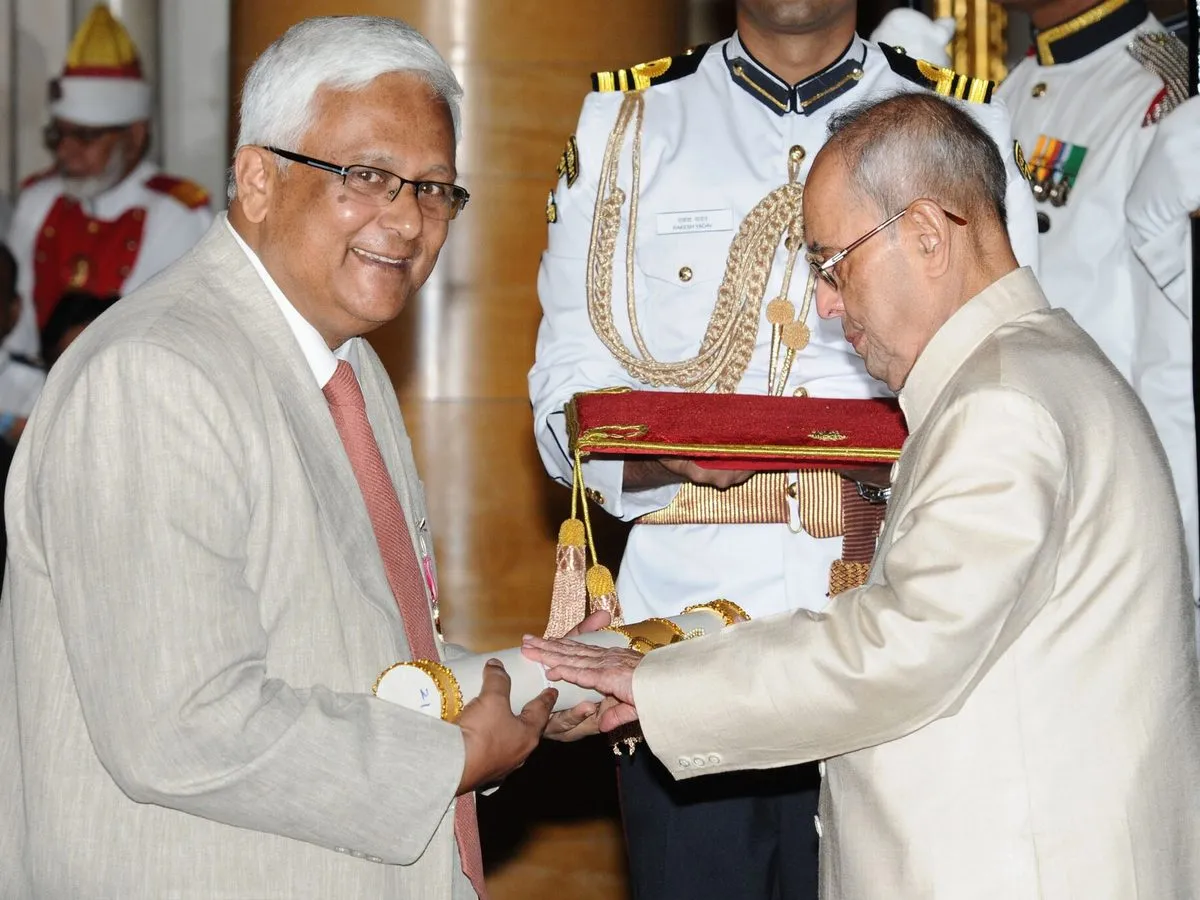
Vasudev Kalkunte Aatre, known as V. K. Aatre, is an electronics engineer who headed the Defence Research and Development Organisation (DRDO) and was scientific adviser to the Defence Minister. He was named for the Padma Vibhushan in 2016 in the field of science and engineering, from Karnataka [1].
Engineer
He was born on 28 August 1939 [2]. He took his engineering degree from the University of Mysore in 1961, an ME from the Indian Institute of Science in 1963 and a PhD from the University of Waterloo in Canada in 1967 [2]. He taught electrical engineering from 1968 to 1980 [2].
Defence research
As director of DRDO’s Naval Physical and Oceanographic Laboratory, he led work that made India self-sufficient in sonars for the Navy’s ships, submarines and aircraft, and helped build the ocean acoustic research ship Sagardhwani [2]. He was chief controller of research and development from 1991 to 1999, and then head of DRDO and secretary of defence research from 1999 to 2004 [2]. In that period DRDO began work on integrated electronic warfare systems, several radars and an airborne early-warning system, and the Light Combat Aircraft made its early flights [2].
After retiring he worked on micro and nanotechnology, and he is often called the father of micro-electro-mechanical systems (MEMS) and smart systems in India [2].
Sources
- [1] Padma Awards Directory (1954-2017) — Ministry of Home Affairs, Government of India. Accessed 21 November 2026.
- [2] Padma Awards 2016: citation for V. K. Aatre — Padma Awards, Government of India. Accessed 21 November 2026.
Last updated . First draft prepared with AI assistance; reviewed and fact-checked by a person before publishing. Report a correction