Every Second Child's Vaccine: How India Became the Pharmacy of the World
India supplies about 60% of global demand for key childhood vaccines. Its Serum Institute in Pune is the world's largest vaccine maker by doses.
By IndianGaurav team ·
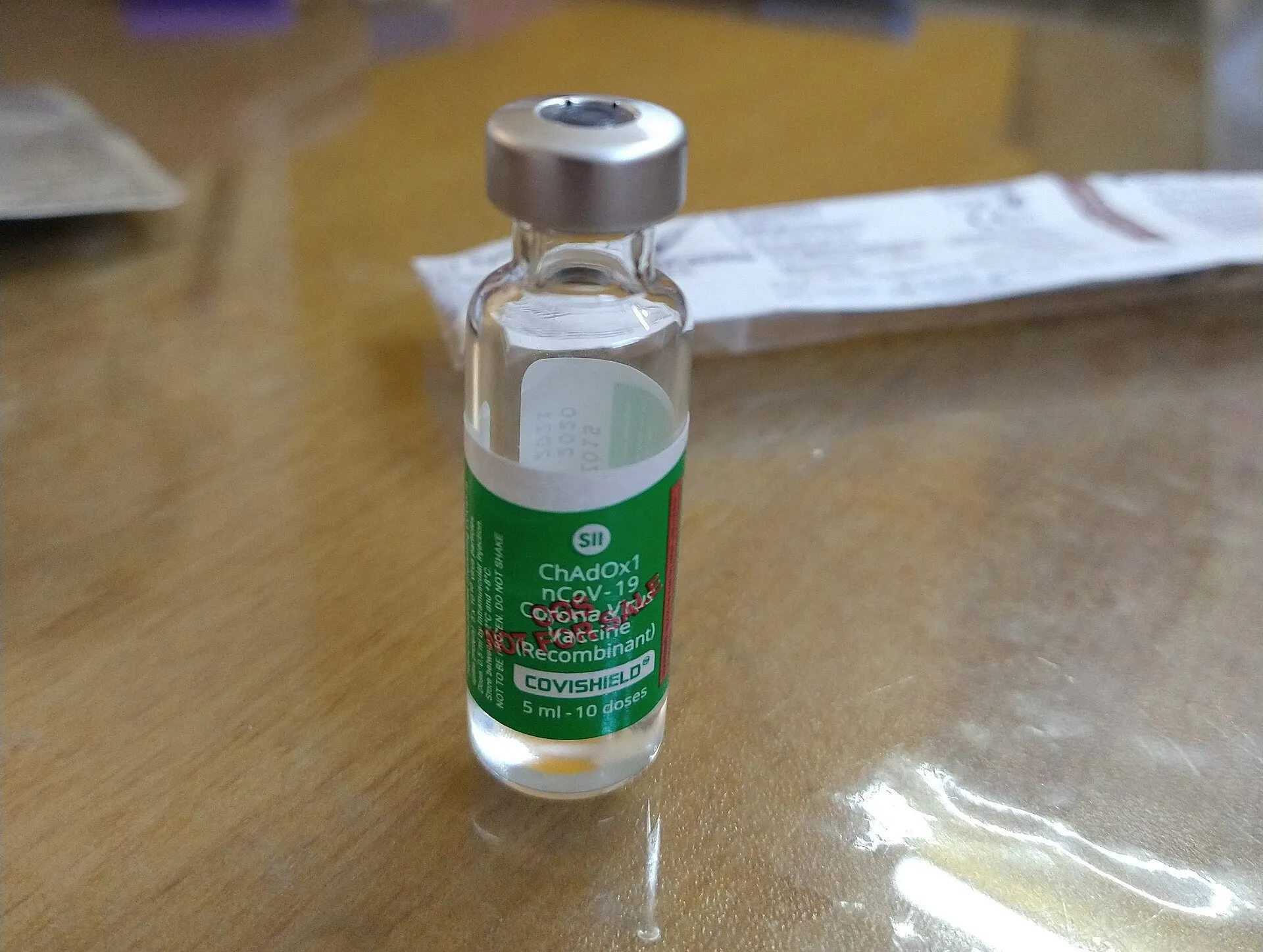
If you live in Africa, Latin America or Southeast Asia and were vaccinated as a child, there is a good chance your vaccine was made in India.
India supplies about 60 per cent of global demand for some of the most important childhood vaccines, including those against diphtheria, pertussis and tetanus (DPT), measles, and tuberculosis (BCG) [1]. The Serum Institute of India, based in Pune, makes more vaccine doses than any other company in the world, more than 1.5 billion a year [1][2].
This is why India is often called the pharmacy of the world. It is a title earned over decades, by scientists, engineers and entrepreneurs who decided that life-saving medicines should be affordable for everyone.
From horse serum to world leader
The Serum Institute’s story begins with horses.
In 1966, Cyrus Poonawalla, whose family bred racehorses in Pune, founded the company [2]. Horses were used at the time to produce antitoxins and serums, for example against snake bites and tetanus. Poonawalla had noticed that India depended on imported vaccines that were expensive and often in short supply. He set out to make them at home.
The company started with a tetanus antitoxin and steadily expanded to vaccines for diseases such as diphtheria, whooping cough, measles, mumps and rubella [2].
What set the Serum Institute apart was its focus on volume and affordability. It aimed to produce very large quantities at low cost. This made its vaccines attractive to UNICEF, the World Health Organization and global health programmes buying for poorer countries. Today, the company says its vaccines are used in around 170 countries [2].
Not just one company
The Serum Institute, which describes itself as the world’s largest vaccine maker by number of doses, with more than 1.5 billion doses a year, is the biggest [4]. But it is far from alone. India has a broad ecosystem of vaccine and medicine makers, including Bharat Biotech in Hyderabad, Biological E in Hyderabad, Zydus in Ahmedabad and many others [3].
India also has more US FDA-approved manufacturing facilities than any country outside the United States, and a large number of factories that meet World Health Organization standards for good manufacturing practice [1]. That gives buyers around the world confidence in the quality of Indian-made medicines.
Generic medicines for the world
India’s strength goes beyond vaccines. It is one of the world’s largest producers of generic medicines, which are low-cost versions of drugs whose patents have expired [3].
One of the most important chapters in this story came in the early 2000s. HIV/AIDS medicines were then extremely expensive, costing thousands of dollars per patient per year. Indian companies began producing much cheaper generic versions. Prices fell dramatically, and millions of people in Africa and elsewhere were able to get treatment for the first time [3]. Many public health experts credit Indian generics with saving countless lives.
The pandemic test
The COVID-19 pandemic put India’s vaccine industry to its biggest test.
The Serum Institute partnered with Oxford University and AstraZeneca to produce their vaccine, known in India as Covishield, and agreed to supply around a billion doses for India and many low- and middle-income countries [1]. Even before the vaccine was approved, the company took the risk of starting production, so that doses would be ready when needed.
Bharat Biotech, working with the Indian Council of Medical Research, developed Covaxin, a vaccine designed and made entirely in India [1].
Under the Vaccine Maitri programme, India shipped vaccines to dozens of countries, many of them neighbours and developing nations, and supplied the global COVAX facility [3].
There were difficulties too. In March 2021, as cases rose, India put a temporary hold on major exports of the Serum Institute’s AstraZeneca vaccine to meet demand at home. That also held up supplies to COVAX, the global scheme through which 64 lower-income countries were due to receive doses from the Serum Institute [5]. By then India had already donated or sold more than 66 million doses abroad, and countries such as Bangladesh, Nepal and Sri Lanka had to look for other supplies during the pause [6].
New vaccines, new hope
Indian companies continue to develop and produce new vaccines at affordable prices.
- A pneumococcal vaccine made in India was rolled out nationwide, expected to prevent many thousands of child deaths each year from pneumonia [1].
- Indian manufacturers produce vaccines against rotavirus, a major cause of deadly diarrhoea in young children.
- The Serum Institute has scaled up production of a malaria vaccine developed with Oxford University, which has been recommended by the World Health Organization.
- India has developed a homegrown vaccine against cervical cancer caused by HPV, aimed at making protection affordable for girls across the country.
Why it works
Several factors explain India’s success:
- Scale. Producing very large volumes brings down the cost of each dose.
- Skilled people. India has a large pool of trained scientists, chemists, engineers and technicians.
- Lower costs. Manufacturing in India is cheaper than in many other countries [1].
- Global partnerships. Indian companies work closely with universities, the WHO, UNICEF, Gavi and foundations around the world.
- Entrepreneurial courage. Companies have been willing to take risks, such as starting production before approvals, to save time.
The road ahead
India’s pharmaceutical industry faces challenges as it grows. Global buyers expect consistently high quality, and regulators in India and abroad keep a close watch on manufacturing standards. India also depends on imports for some of the raw ingredients used to make medicines, and the government has launched schemes to encourage more of this production at home [3].
At the same time, there are big opportunities. Indian companies are moving from making copies of existing medicines towards research and development of new ones, including new vaccines and biological medicines. Partnerships with global research institutions are growing, and a new generation of Indian biotech start-ups is emerging.
If India can keep combining scale, quality and innovation, its role as the pharmacy of the world is likely to grow even stronger.
Why it makes India proud
Each year, vaccines prevent millions of deaths from diseases that once killed children in large numbers. Many of those vaccines are made in India.
Pune, Hyderabad, Ahmedabad and other cities may not be famous worldwide, but vaccines made there reach clinics across Africa, Asia and Latin America [1][4].
Being the pharmacy of the world is not just an economic achievement. It is a contribution to humanity, one small vial at a time.
Sources
- [1] Pharmaceuticals sector — Invest India — Invest India, Government of India. Accessed 11 October 2026.
- [2] Serum Institute of India — Wikipedia. Accessed 11 October 2026.
- [3] Pharmaceutical industry in India — Wikipedia. Accessed 11 October 2026.
- [4] About Us — Serum Institute of India. Accessed 12 October 2026.
- [5] India delays big exports of AstraZeneca vaccines as COVID-19 infections surge: sources — Gulf News (Reuters). Accessed 12 October 2026.
- [6] India unlikely to resume sizable Covid-19 vaccine exports until October — The Kathmandu Post (Reuters). Accessed 12 October 2026.
Last updated . Report a correction