Sukhna and Sauj: India's Protected Wetlands Reach 103
In October 2026 Chandigarh's Sukhna Wetland and Uttar Pradesh's Sauj Jheel became Ramsar sites, taking India's wetlands of international importance to 103.
By IndianGaurav team ·
Wetlands do quiet but vital work. They store water, recharge the ground beneath them, feed and shelter birds and fish, and support the people who live around them [2]. In 1971 countries meeting in the Iranian city of Ramsar agreed a treaty to protect the most important of them [1][3]. Today there are more than 2,500 “Ramsar sites” around the world [3].
On 15 October 2026 India added two more, taking its total to 103 [1][2].
Sukhna Wetland, Chandigarh
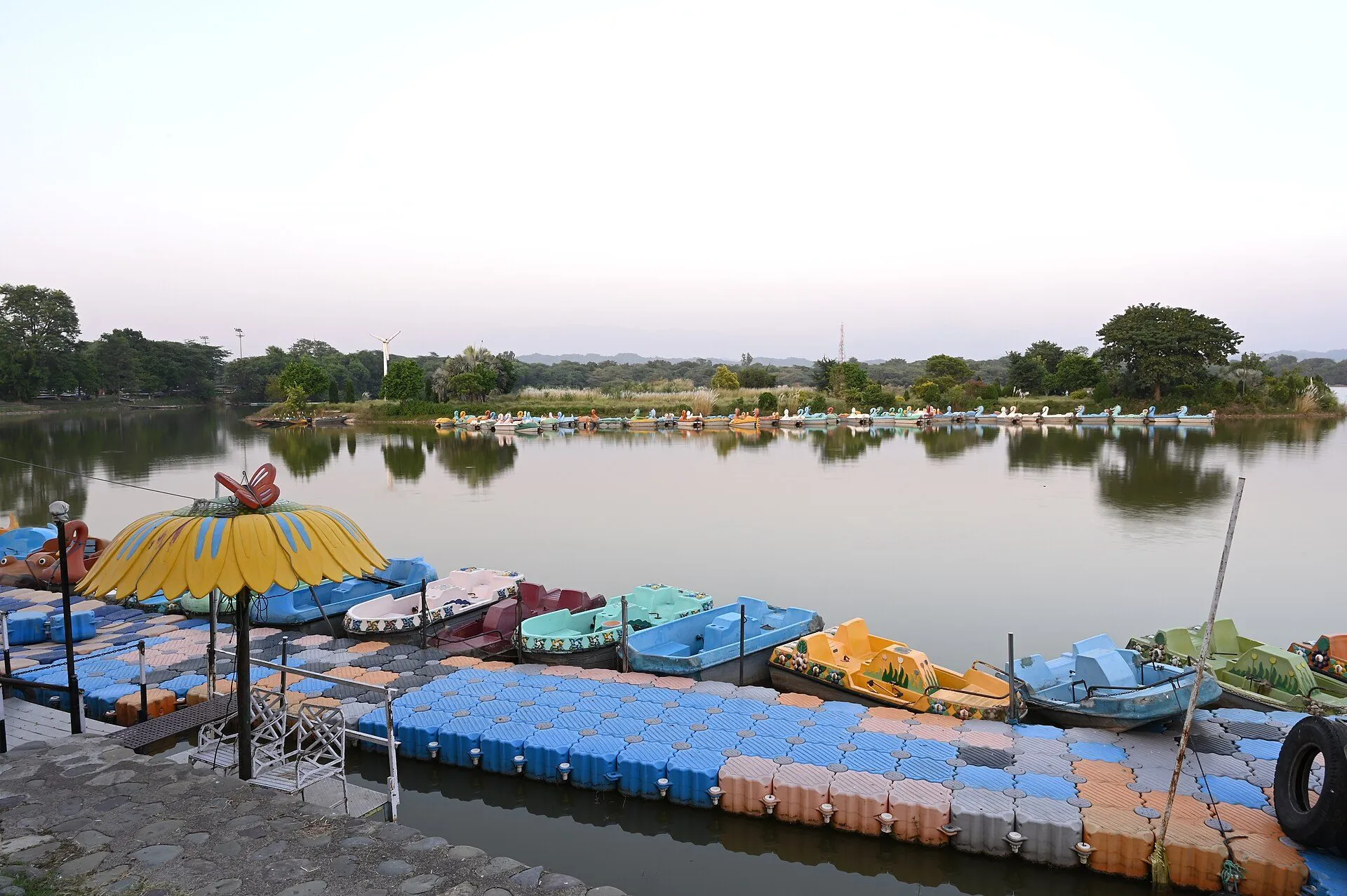
Sukhna Lake was created in 1958 at the foot of the Shivalik hills, on the edge of Chandigarh [2]. It is the city’s favourite place for a walk or a boat ride, and now also Chandigarh’s first Ramsar site, listed as site no. 2602 [1][2].
Its water rises and falls with the seasons, and its habitats range from open water and shallow, plant-filled edges to scrub and forest [3]. Resident waterbirds live here, and migrants use it to feed and rest on the Central Asian Flyway [1][3]. Visitors include the vulnerable common pochard and the endangered Pallas’s fish eagle, and the shallows hold the endangered black pond turtle [3].
Sauj Jheel, Uttar Pradesh
Sauj Jheel is a shallow lake among farmland in Mainpuri district, on the floodplain of the Ganga [1][3]. It is part of the Saman wetland complex, close to the Saman Bird Sanctuary [1][3].
The lake regularly supports more than 30,000 waterbirds and is recognised as an Important Bird and Biodiversity Area [3]. Sarus cranes and greater spotted eagles are among them, and the water is fringed by sacred lotus and wild sugarcane [3]. Plans to protect it include a seasonal ban on fishing, limits on fine-mesh nets and keeping cattle out of sensitive areas [3].
With Sauj Jheel, Mainpuri became the first district in India with two Ramsar sites [4].
From 26 to 103
India had 26 Ramsar sites in 2014 [1]. The list has grown steadily since, and in 2026 alone it passed 100: Glaw Lake in Arunachal Pradesh, the state’s first, became the 101st in August [1]. When a country lists a wetland, it commits to a plan for looking after it [1], so each new name is also a promise to keep these places alive.
Sources
- [1] India's Ramsar Sites Rise To 103 As Chandigarh's Sukhna Wetland, UP's Sauj Jheel Join Global List — Swarajya. Accessed 17 November 2026.
- [2] India's Wetland Network Grows With Two New Additions: All About Sukhna Wetland And Sauj Jheel — Free Press Journal. Accessed 17 November 2026.
- [3] Sukhna Lake, Sauj Jheel get Ramsar site tag — Manorama Yearbook. Accessed 17 November 2026.
- [4] India's Ramsar Sites Reach 103: Sukhna Wetland and Sauj Jheel Added — Insights IAS. Accessed 17 November 2026.
Last updated . Report a correction