No Chemicals, No Compromise: How Sikkim Became the World's First Fully Organic State
In 2016, Sikkim became India's first fully organic state. In 2018 it won a global gold award for the world's best food and farming policy.
By IndianGaurav team ·
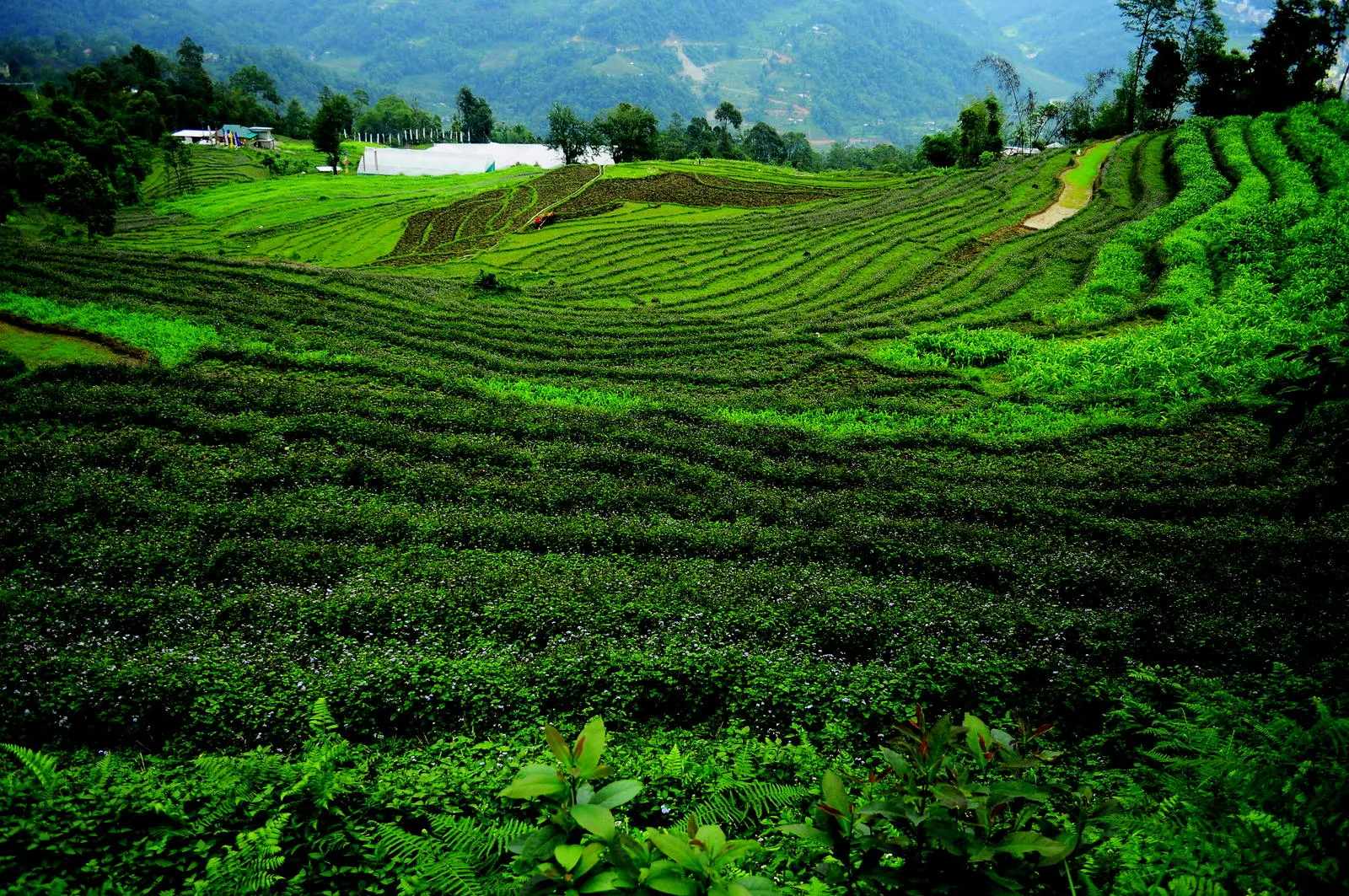
Tucked into the eastern Himalayas, with Kanchenjunga watching over its valleys, Sikkim is one of India’s smallest states. In one way, though, it has led the country.
By the end of 2015, all of Sikkim’s farmland had been converted to certified organic farming, grown without chemical fertilisers or synthetic pesticides, and in 2016 it was formally declared India’s first fully organic state [3].
In 2018, Sikkim’s organic policy won the Future Policy Gold Award, presented by the World Future Council together with the UN Food and Agriculture Organization (FAO) and IFOAM – Organics International [1].
Why go organic?
Sikkim’s farms are small and hilly, and its farmers had long relied on traditional methods such as manure and compost. The state’s leaders saw a chance to build on those methods and protect the fragile mountain environment, rather than follow the heavy chemical use common in the plains.
The journey
In 2003, Chief Minister Pawan Chamling told the State Assembly that Sikkim would aim to become India’s first organic state [1]. What followed was more than a decade of steady work [1]:
- From 2005, the state stopped taking its quota of chemical fertiliser from the Centre and cut subsidies on chemical fertilisers and pesticides by 10 per cent a year, ending them by 2007–08.
- In August 2010, it launched the Sikkim Organic Mission, aiming for full conversion by 2015.
- More than 66,000 farming families joined the mission, and farmers were trained in composting, bio-fertilisers and natural pest control.
- A 2014 state law banned bringing in chemical farm inputs and made the sale and use of chemical pesticides illegal.
By December 2015, more than 76,000 hectares, all of the state’s farmland, was certified organic [1].
On 18 January 2016, Prime Minister Narendra Modi opened the Sikkim Organic Festival in Gangtok and presented the Chief Minister with commendations for the state’s journey to total organic farming [2].
What has changed
The World Future Council found that tourist numbers in Sikkim rose by more than 50 per cent between 2014 and 2017, with the state’s clean, green image part of its appeal [1]. Without chemical runoff, soils and streams are better protected.
The challenges
The change has not been easy. Down To Earth reported that some farmers saw yields fall after giving up chemical fertilisers, and that getting a fair price for organic produce has been hard because of limited markets and the cost of transport from the hills [4]. Sikkim also still brings in food from outside, not all of it organic [4]. The World Future Council notes that the policy has only begun to tackle the price gap between organic and conventional produce [1].
These problems show that going organic is a long journey rather than a single event.
Why it matters
Sikkim showed that a whole state can change the way it farms, with long-term commitment, support for farmers and patience while the soil recovers. Other states exploring organic and natural farming now look to its example, including its honest lessons about what is hard.
Sources
- [1] Sikkim's State Policy on Organic Farming and Sikkim Organic Mission — Future Policy Award 2018 — World Future Council. Accessed 11 October 2026.
- [2] PM inaugurates Sikkim Organic Festival 2016; addresses Plenary Session of National Conference on Sustainable Agriculture and Farmers Welfare — Press Information Bureau, Government of India. Accessed 11 October 2026.
- [3] Sikkim Statehood Day (May 16) — Press Information Bureau, Government of India. Accessed 11 October 2026.
- [4] Sikkim is 100% organic! Take a second look — Down To Earth. Accessed 11 October 2026.
Last updated . Report a correction