Where It Rains Almost Twelve Metres a Year: Life in the Wettest Place on Earth
Mawsynram in Meghalaya receives around 11,800 mm of rain a year on average, making it the wettest inhabited place on the planet.
By IndianGaurav team ·
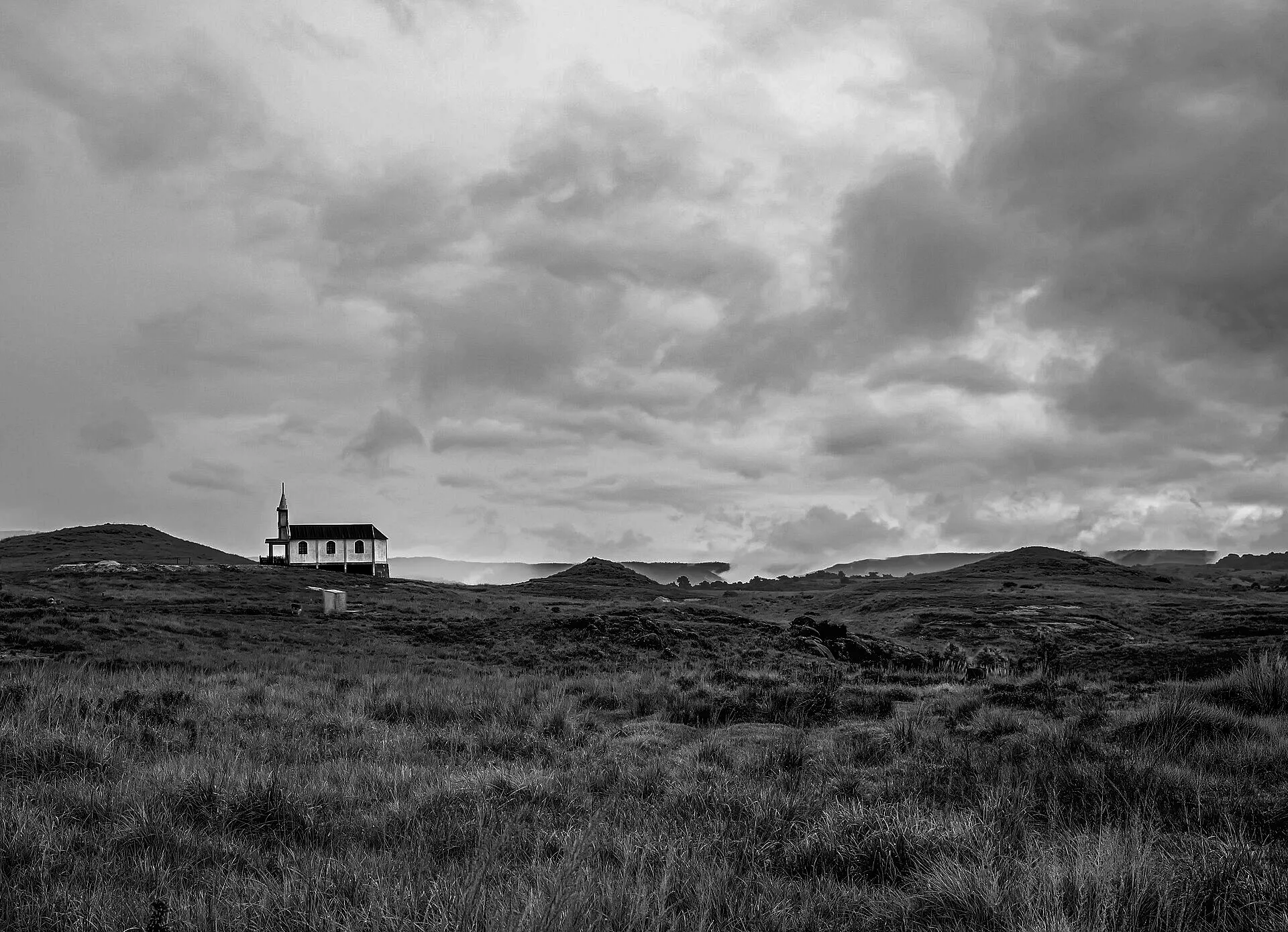
Picture a place where waterfalls appear on every hillside in the monsoon, where clouds drift through the village, and where an umbrella is not an accessory but a tool of daily life.
That place is Mawsynram, a village in the East Khasi Hills of Meghalaya. According to the World Meteorological Organization, it has the highest average annual rainfall of anywhere in Asia: about 11,872 millimetres a year, measured over 38 years [1]. That is nearly twelve metres of rain, and it is why Mawsynram is often called the wettest inhabited place on Earth.
How much rain is that?
Nearly twelve metres of water would cover a four-storey building if none of it drained away. Most of it falls in the monsoon months, and on a single day, 17 June 2022, Mawsynram recorded more than 1,000 millimetres [5].
Why so much rain?
The answer is geography [4].
In the summer monsoon, warm, wet winds blow north from the Bay of Bengal across the low plains of Bangladesh. Then they run straight into the steep southern face of the Khasi Hills. Forced upwards, the air cools, and its moisture condenses into heavy cloud and rain. Mawsynram, at about 1,400 metres on those slopes, sits right in the path of that rising air [1][4].
Rain caused by mountains in this way is called orographic rainfall.
The friendly rivalry with Cherrapunji
Mawsynram’s neighbour Cherrapunji, now officially called Sohra, lies a short distance to the east and has long competed for the title of wettest place [4].
Cherrapunji holds two of the world’s great rainfall records:
- 26.47 metres of rain in the twelve months from August 1860 to July 1861, the most ever recorded in a single year anywhere [2]
- about 9,300 millimetres in July 1861 alone, the wettest month on record [3]
Over the long run, though, Mawsynram’s average is higher, which is why it is usually given the crown [1][4]. Between them, these two Meghalayan places hold some of the most famous weather records on the planet.
Living with the rain
The people of Mawsynram are mostly Khasi, and life here is shaped around the rain. One familiar sight is the knup, a traditional Khasi rain shield used by people working outdoors [6].
The same wet climate gave rise to one of the region’s most remarkable traditions: living root bridges, grown from fig roots across streams that would wash away ordinary bridges [6].
A green and beautiful land
All that rain makes the hills spectacular. In and after the monsoon they turn a deep green, waterfalls pour down the cliffs, and clouds roll through the valleys. Meghalaya itself means “abode of the clouds.”
The area around Mawsynram is also rich in caves. The Mawjymbuin caves are a well-known landmark, and nearby Krem Puri is described by the state tourism department as the longest sandstone cave in the world [5].
Visiting Mawsynram
Mawsynram is about 61 km by road from Shillong, Meghalaya’s capital [5]. The monsoon is the most dramatic time to see the rain and the waterfalls, but it can make travel difficult. October and November, after the monsoon, and the winter months bring clearer trails and easier hiking [5].
Why it matters
India is a land of extremes: the heat of the Thar, the frozen heights of Ladakh, and the rain-soaked hills of Meghalaya. Mawsynram is a reminder of how varied the country’s landscapes are, and of how people have built their lives around even the most extraordinary weather.
Sources
- [1] WMO Region II (Asia): Greatest Average Annual Rainfall — World Meteorological Organization. Accessed 11 October 2026.
- [2] World Greatest 12-Month (1 Year) Rainfall — World Meteorological Organization, Weather and Climate Extremes Archive. Accessed 11 October 2026.
- [3] Greatest rainfall in one month — Guinness World Records. Accessed 11 October 2026.
- [4] Cherrapunji — Encyclopaedia Britannica. Accessed 11 October 2026.
- [5] Mawsynram — Meghalaya Tourism, Government of Meghalaya. Accessed 11 October 2026.
- [6] In One of the Wettest Places on the Planet, Indigenous People Build Bridges and Ladders Out of Living Tree Roots — Smithsonian Magazine. Accessed 11 October 2026.
Last updated . Report a correction